
Custom Accounting Workflows That Fit Your Business
Custom accounting workflows help small businesses organize invoices, expenses, inventory, and projects around how their teams actually work every day.
Read article →
Tips and insights on accounting, cash flow, and running a small business.
Custom accounting workflows help small businesses organize invoices, expenses, inventory, and projects around how their teams actually work every day.
Read article →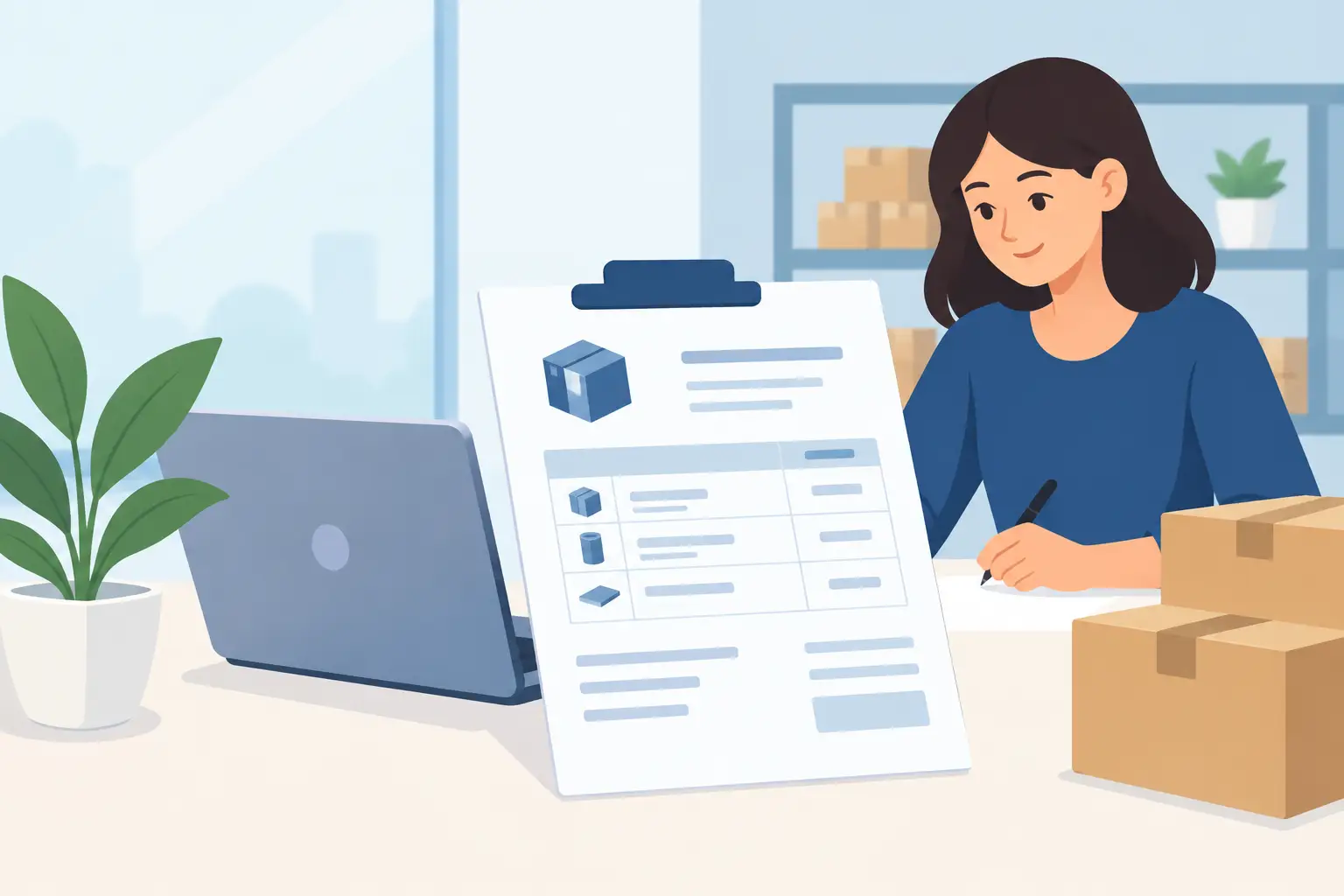
See a clear purchase order example, learn the required fields, and set up a repeatable approval process that keeps spending, stock, and bills organized.
Read article →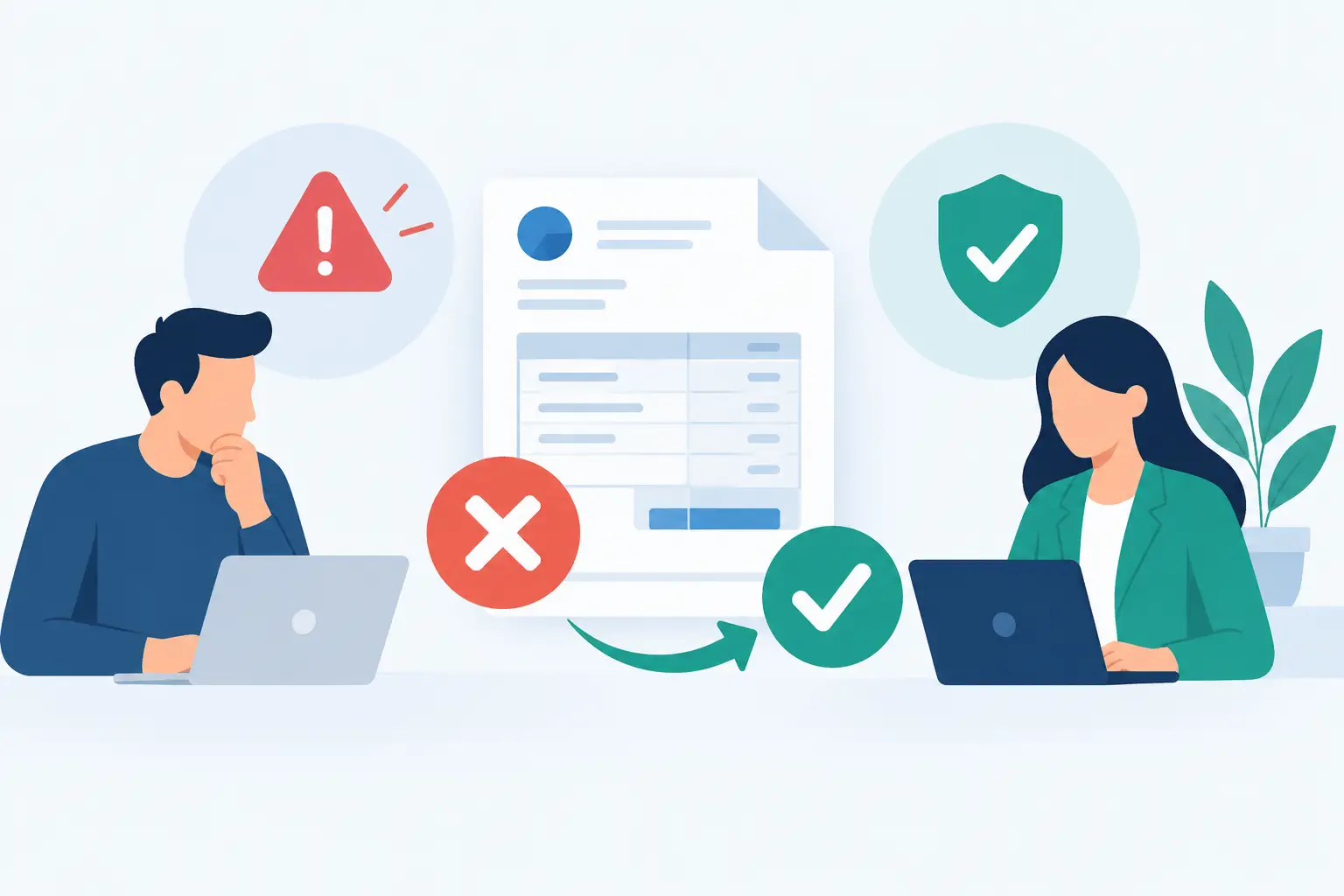
Learn why invoices get disputed and how clear terms, accurate records, and fast follow-up help your business protect cash flow and customer trust too.
Read article →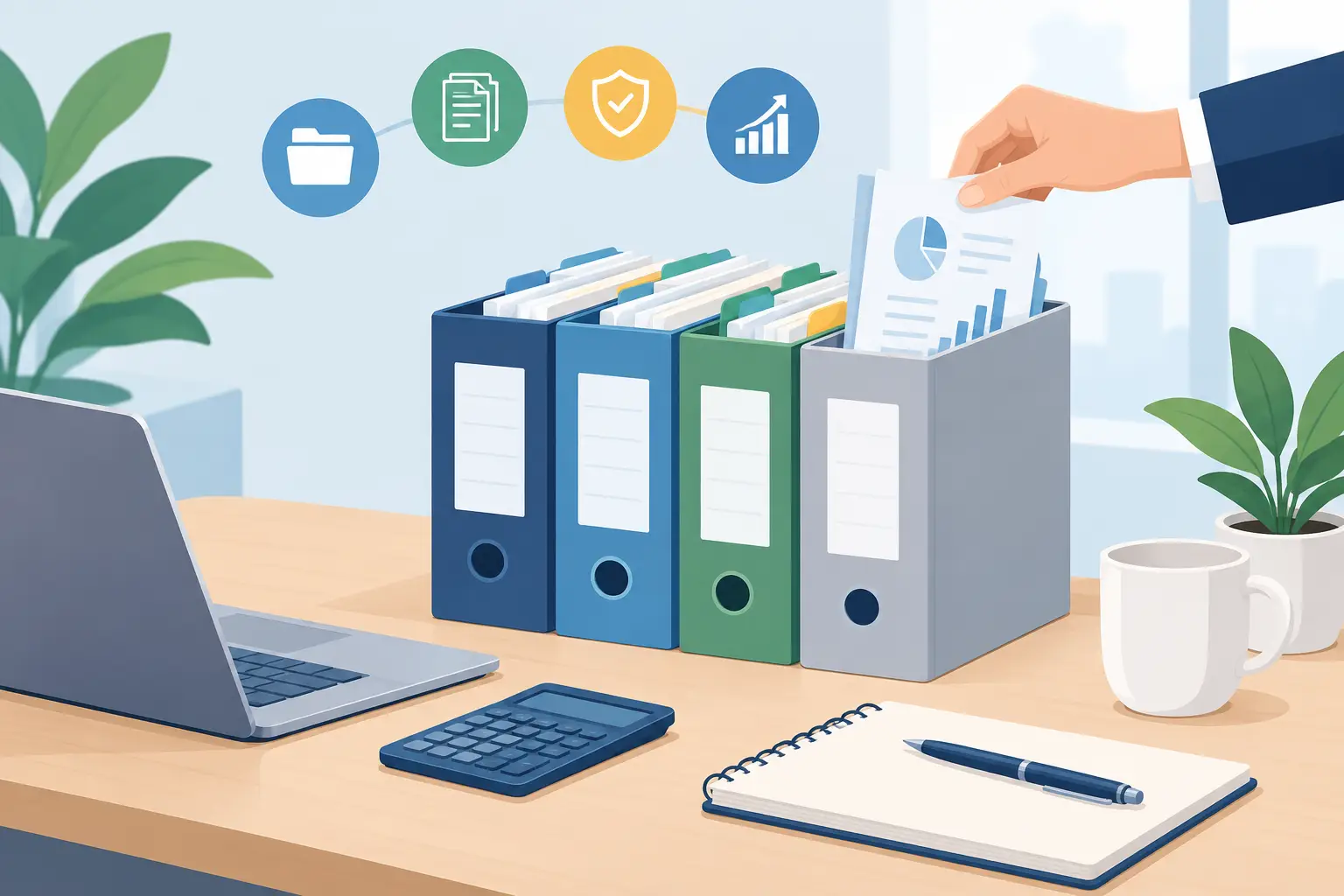
Organize business financial documents with a clear filing system for receipts, bills, invoices, approvals, and confident month-end decisions every month.
Read article →
Use this business payment reconciliation guide to match bank activity, invoices, bills, and expenses, catch errors early, and keep cash flow records clear.
Read article →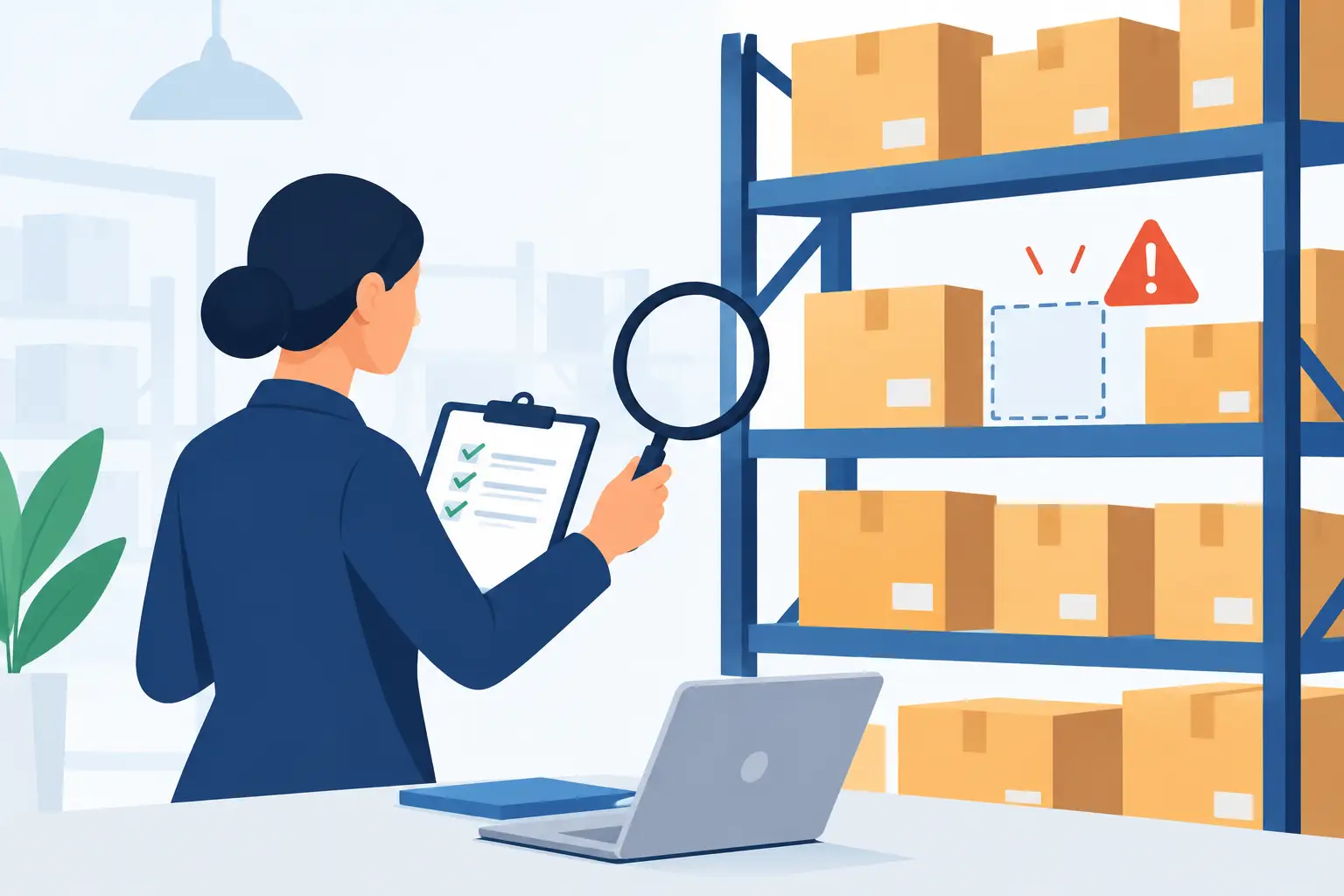
Use an inventory accounting review to reconcile stock, confirm costs, catch margin leaks, and keep your books ready for smarter business decisions now.
Read article →
Learn why to reconcile bank transactions daily, catch errors faster, protect cash flow, and keep your books ready for decisions and tax time all year.
Read article →
Use this service business cash flow example to plan invoices, payroll, bills, and reserves so your team can make confident weekly decisions with clarity.
Read article →
Choose the best multi currency software for invoicing, expenses, reporting, and cash flow. Learn the features that keep global business work organized.
Read article →
What are custom fields? Learn how flexible data fields help small businesses organize invoices, inventory, projects, and reports with less manual work.
Read article →
Learn how to configure customer payment terms that protect cash flow, reduce overdue invoices, and fit the way your business bills and collects each month.
Read article →
Accounting trends for 2026 show small businesses where to automate routine work, protect cash flow, and gain clearer control of costs and margins daily.
Read article →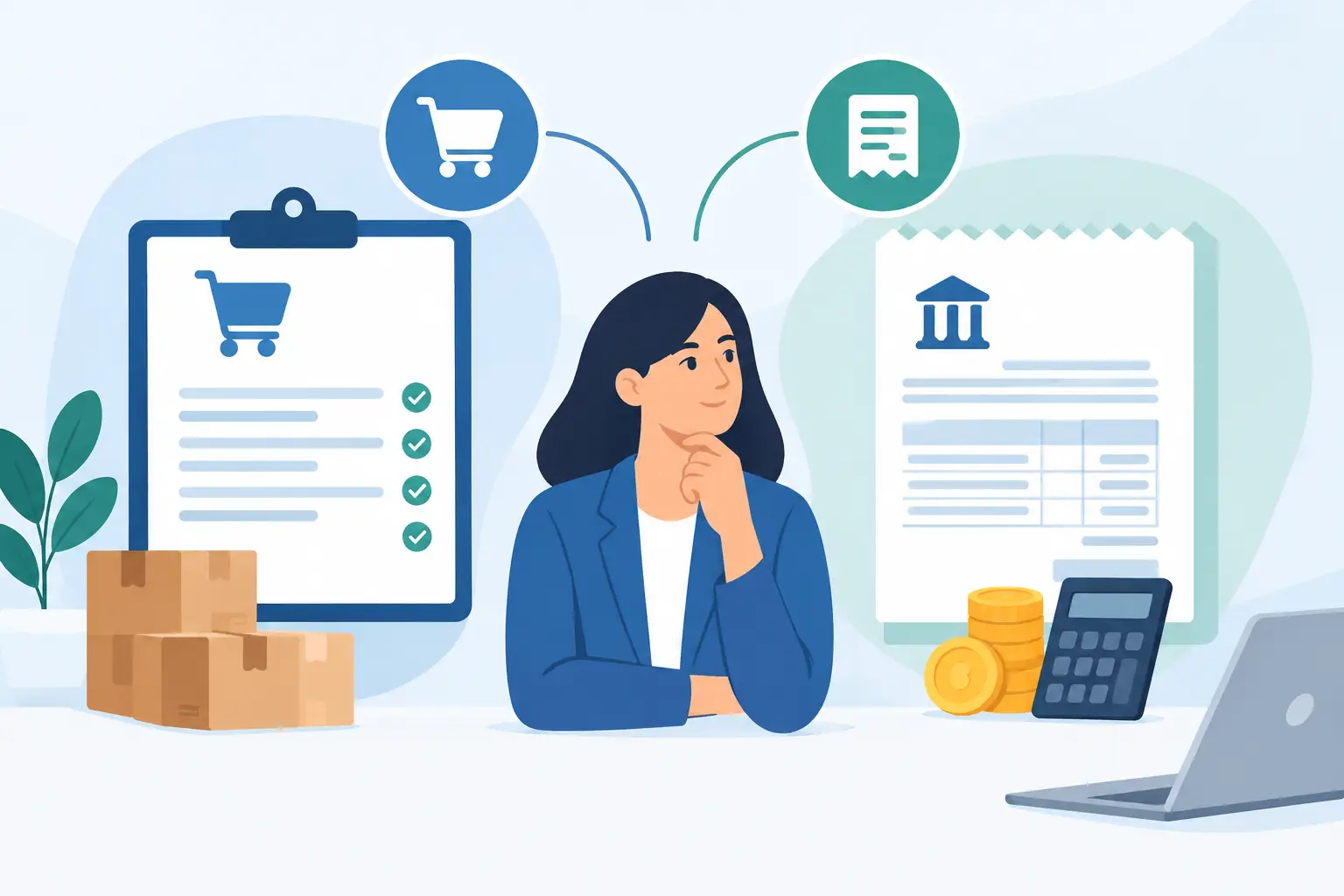
Understand purchase orders versus vendor bills, when each document is created, and how both help your business control spending, inventory, and cash flow.
Read article →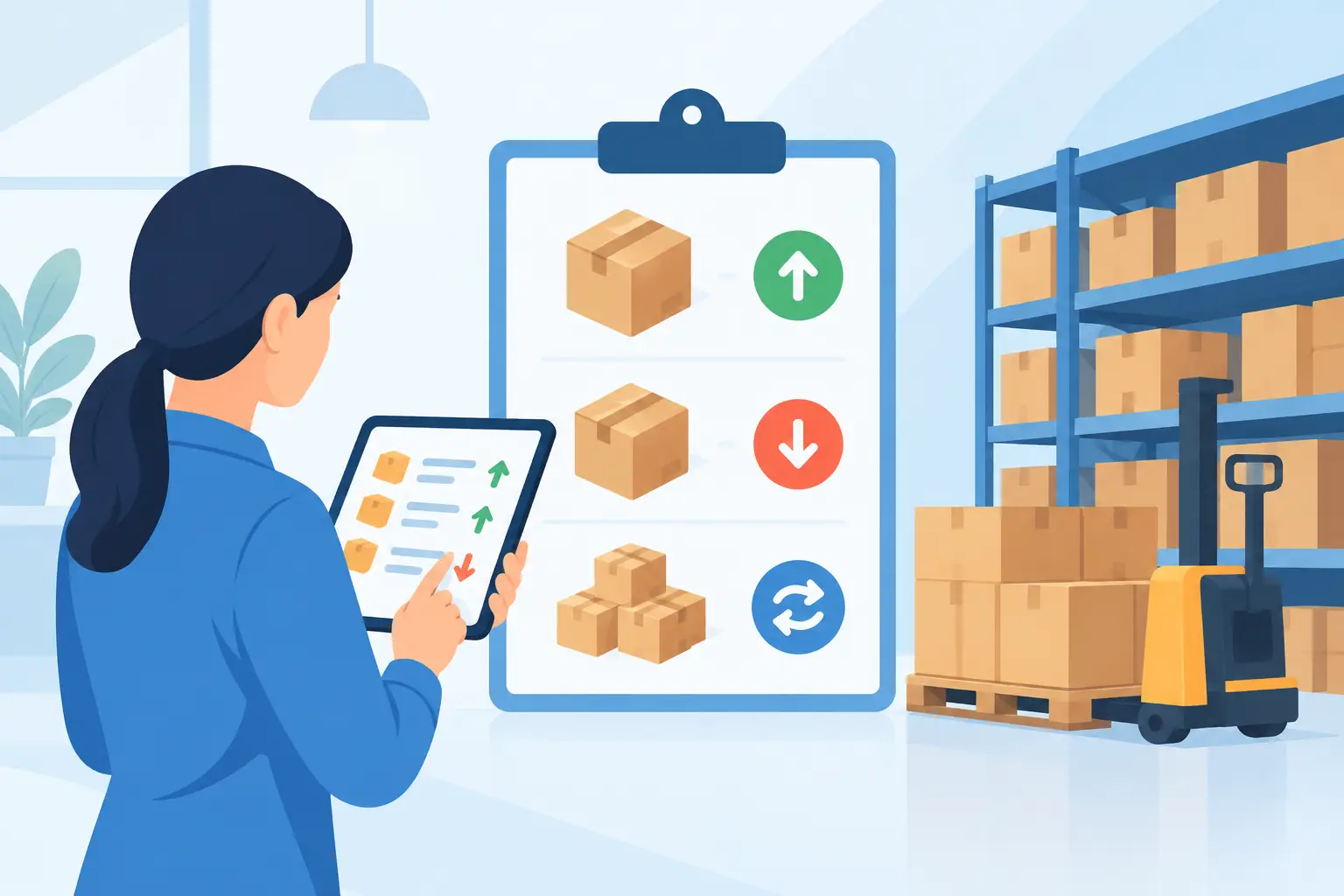
Learn how to record inventory stock movements for purchases, sales, transfers, adjustments, and counts, keeping costs, stock, and reports reliable daily.
Read article →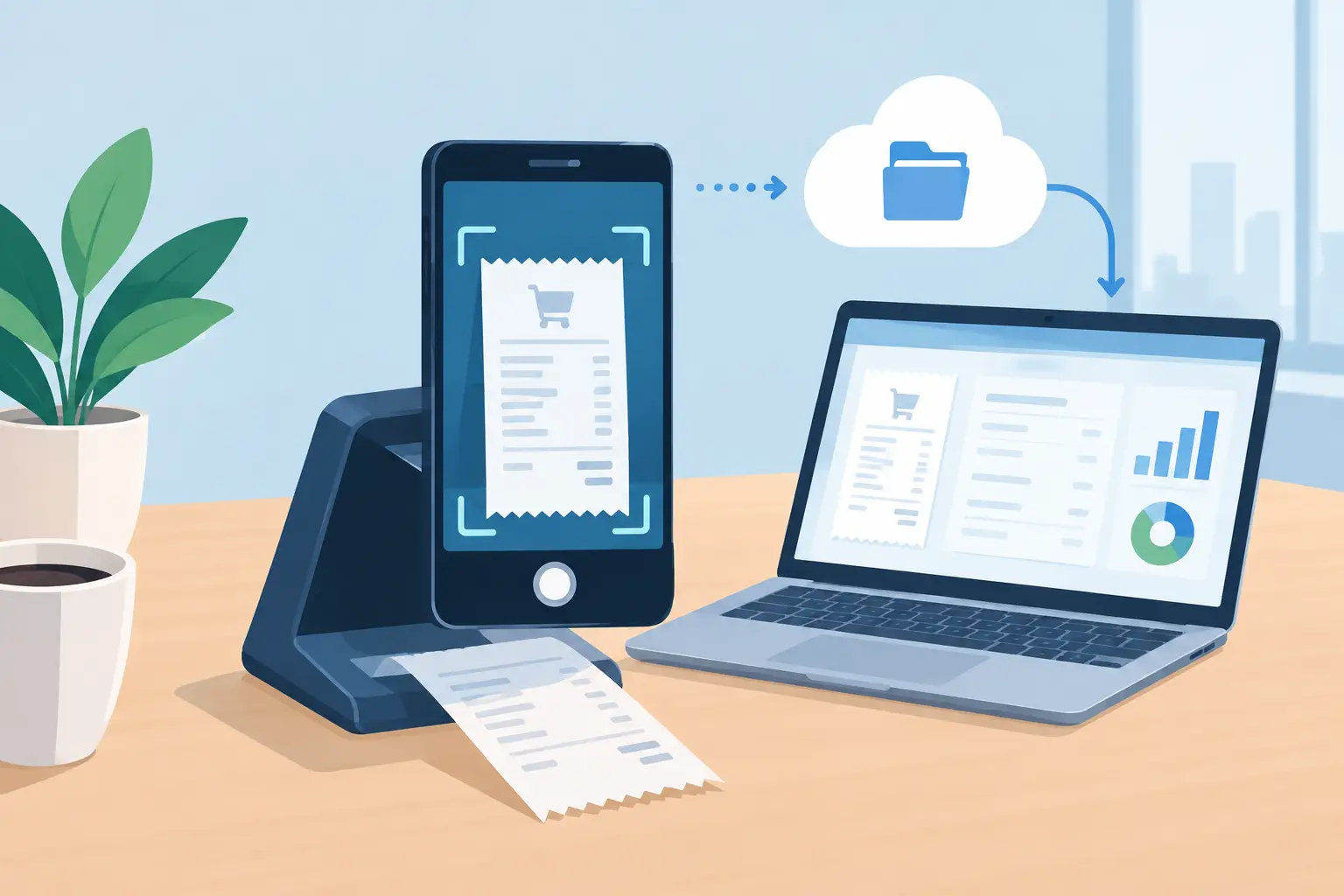
Learn how does receipt scanning work, from image capture and OCR to expense review, so your business records stay accurate, searchable, and organized.
Read article →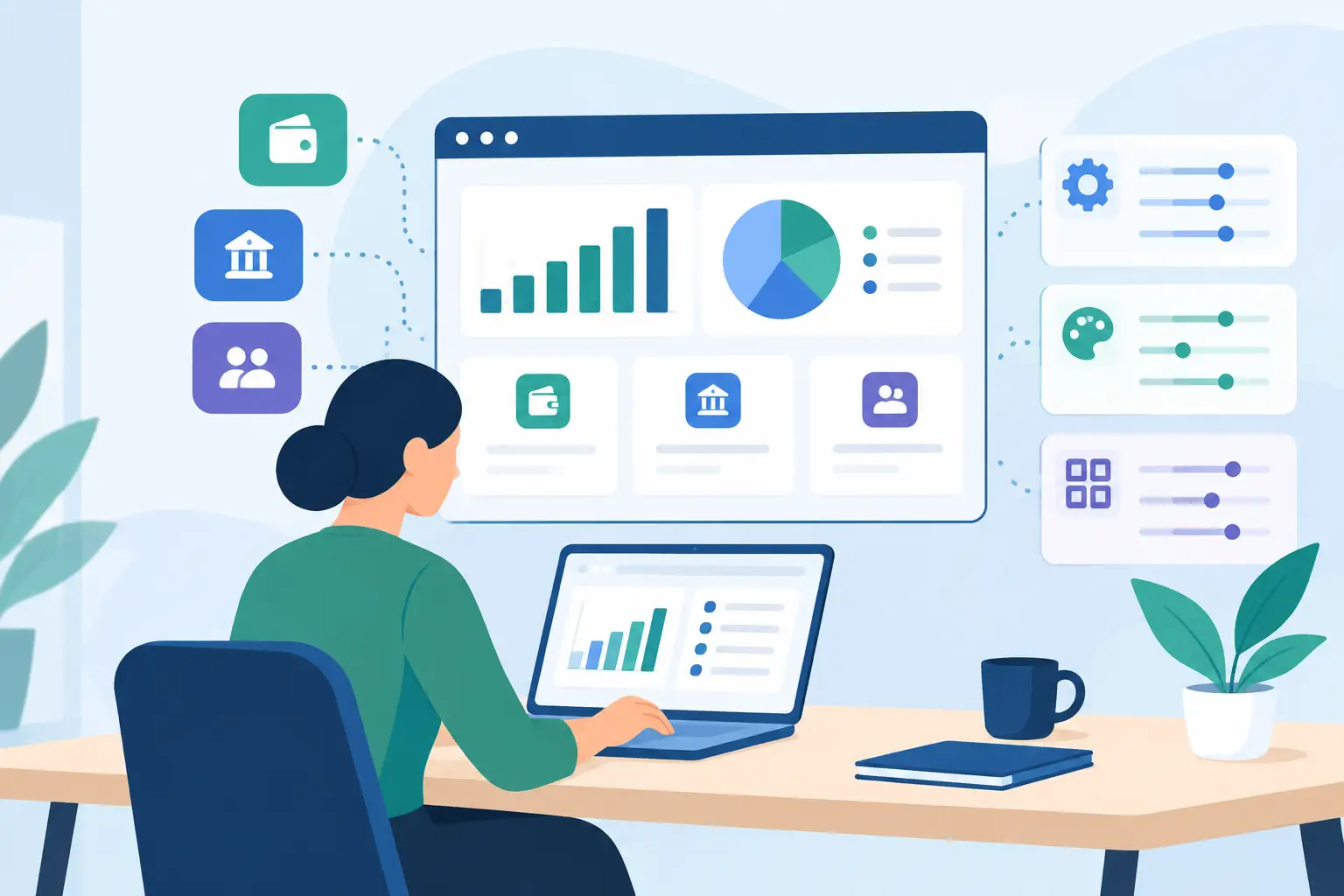
Customizable accounting platforms help small businesses match invoices, reports, inventory, and approvals to the way their teams work every workday now.
Read article →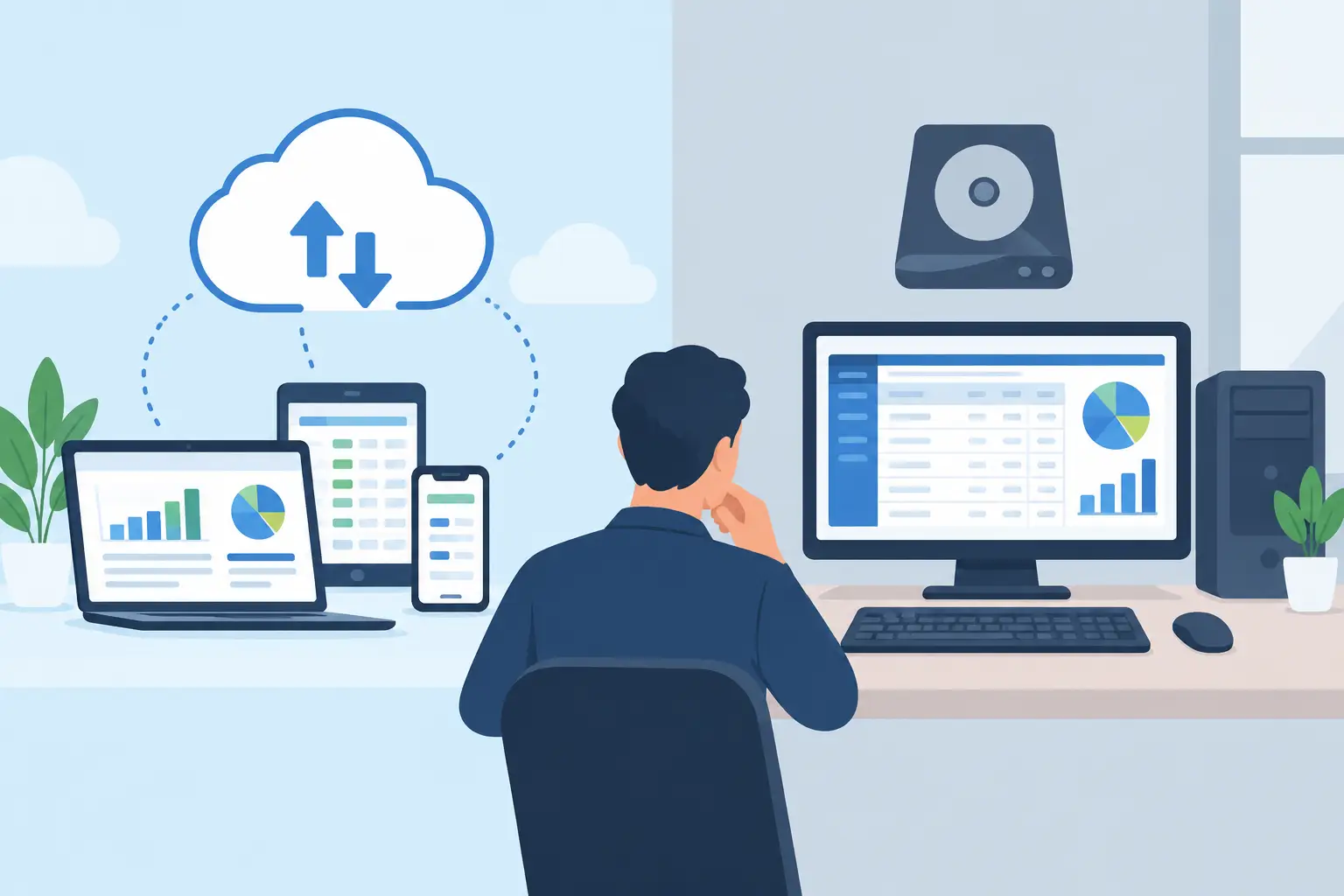
Cloud bookkeeping versus desktop accounting affects how quickly your team can invoice, manage expenses, see cash flow, and keep records under control.
Read article →
Financial controls help small businesses protect cash, prevent errors, and make faster decisions with practical checks that fit daily work as you grow.
Read article →
An AI expense capture review for small businesses: see what receipt automation gets right, where review still matters, and how to keep records accurate daily.
Read article →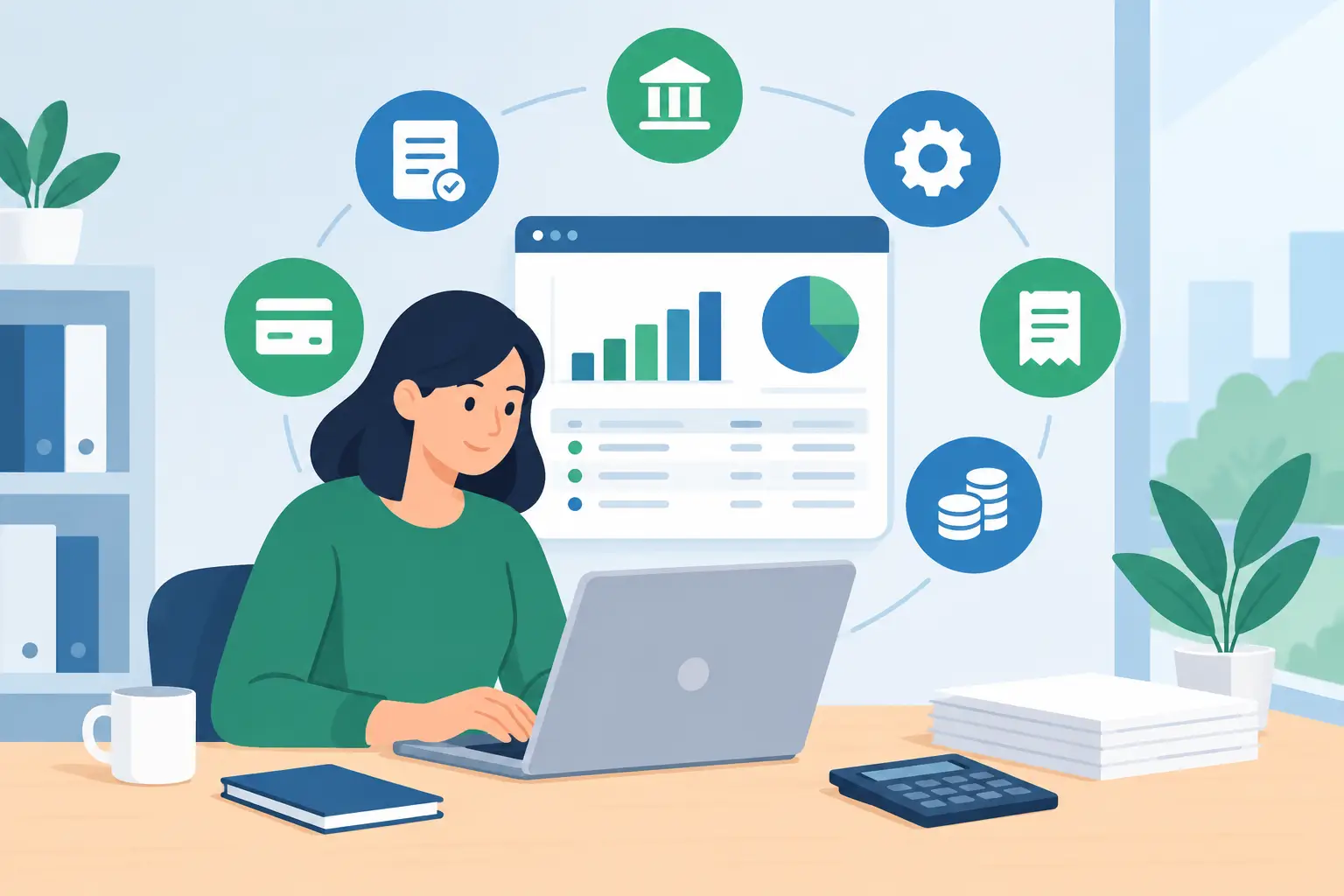
Essential bookkeeping features help small businesses control cash flow, track expenses, invoice faster, and make decisions with clean records every day.
Read article →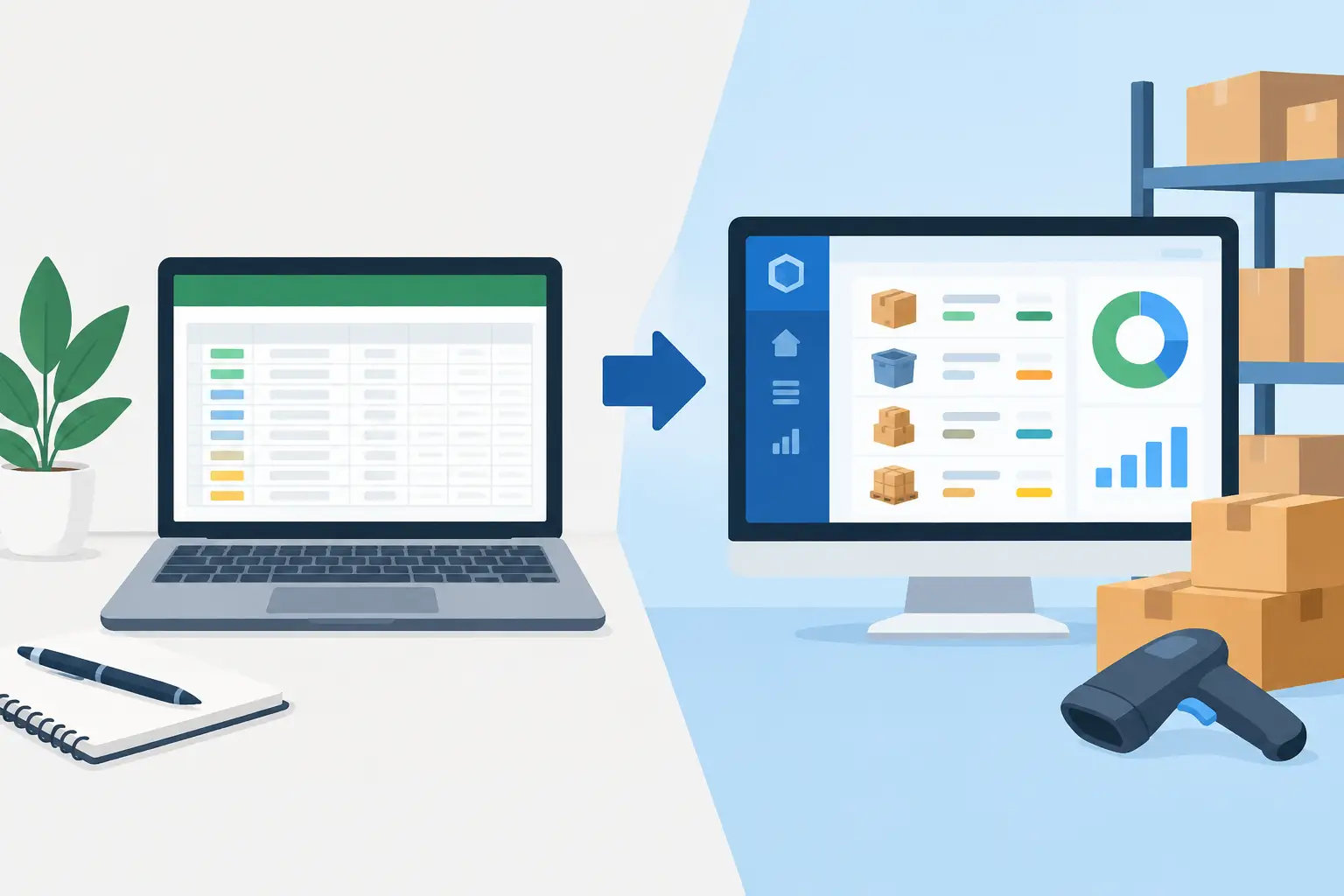
Compare inventory tracking versus spreadsheets to see when manual files create costly errors and how connected tools improve stock and cash visibility.
Read article →
Compare small business reporting tools by the daily answers they deliver, from cash flow and invoices to project margins, inventory, and expenses daily.
Read article →
When to use purchase orders for better approval control, accurate inventory, and clear vendor records without adding unnecessary paperwork to daily work.
Read article →
Learn how to calculate job labor costs using loaded hourly rates, accurate time tracking, and project reporting to protect every project margin fully.
Read article →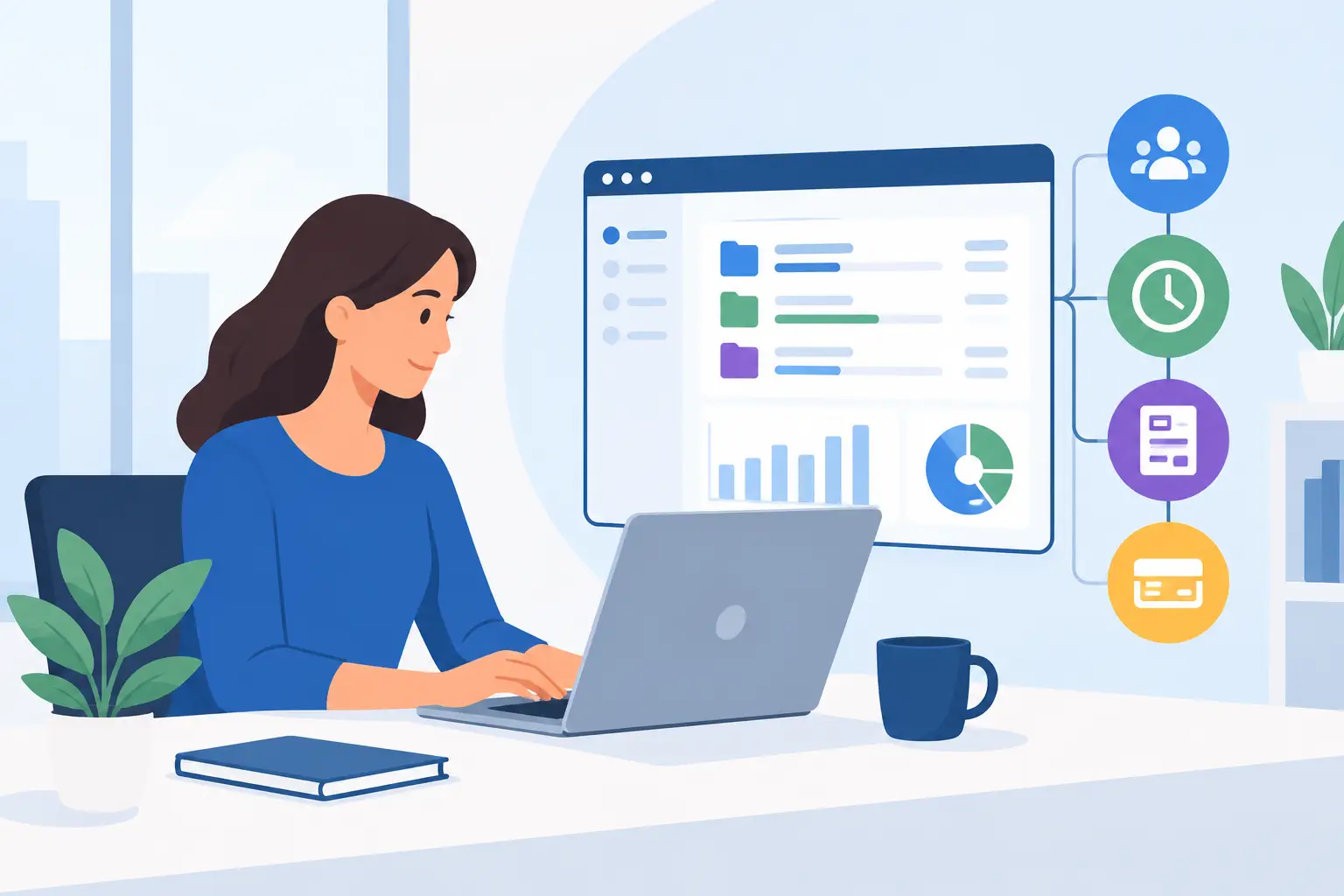
Compare the best systems for project billing. See how invoices, costs, time, and project profit stay connected for faster, cleaner billing for teams.
Read article →
Make bill payment easier with clear approvals, due-date visibility, and accurate records that help your business protect cash flow and avoid late fees.
Read article →
Learn how to track project costs accurately with clear budgets, timely expense capture, labor tracking, and reports that protect project margins daily.
Read article →
Learn why track project costs separately gives your team clearer margins, faster decisions, accurate billing, and dependable cash flow on every job well.
Read article →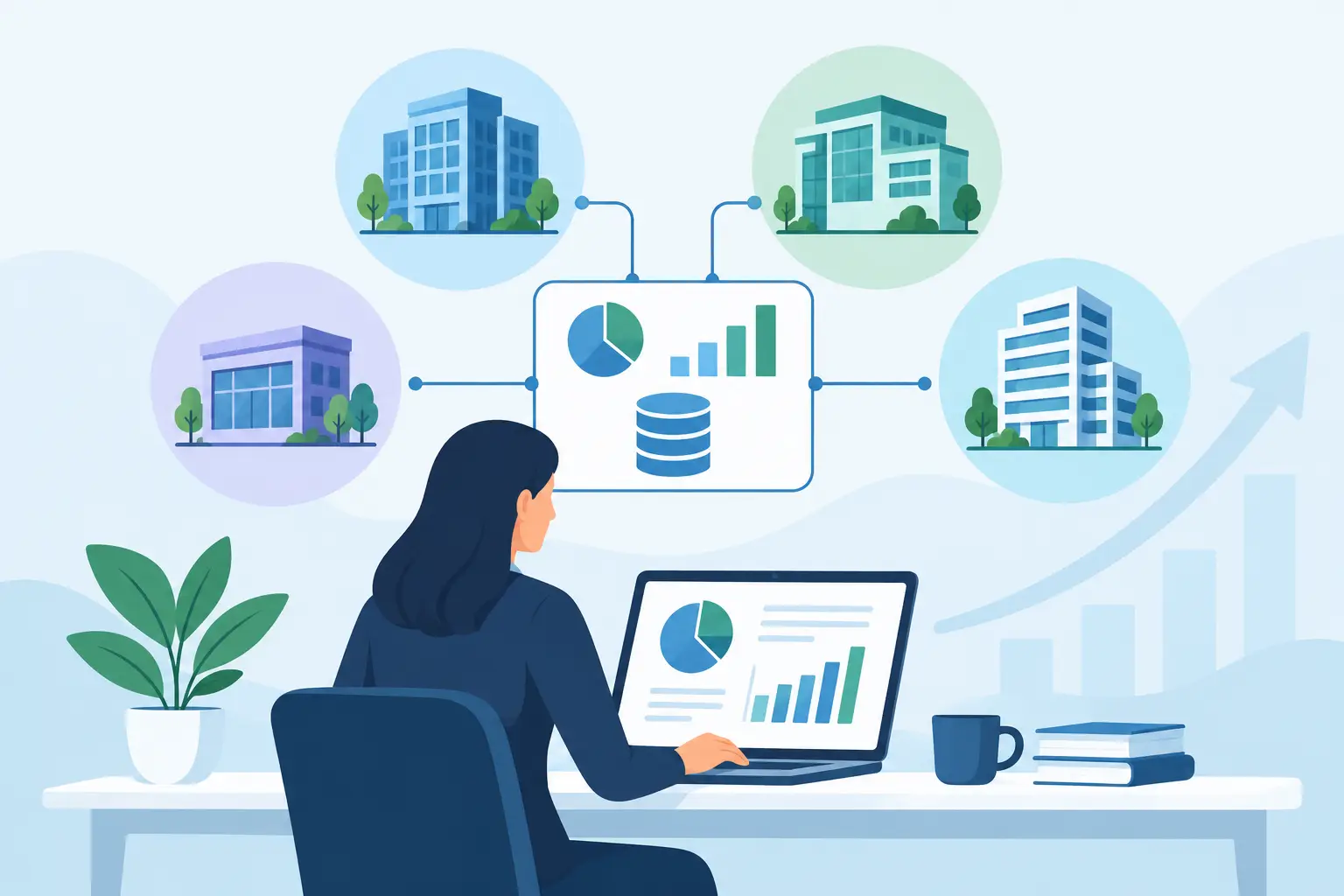
Use this multi entity accounting guide to organize separate books, shared costs, reporting, approvals, and cash flow across every business you manage well.
Read article →
Accounting automation trends are helping small businesses reduce manual work, improve cash flow visibility, keep records organized, and make decisions.
Read article →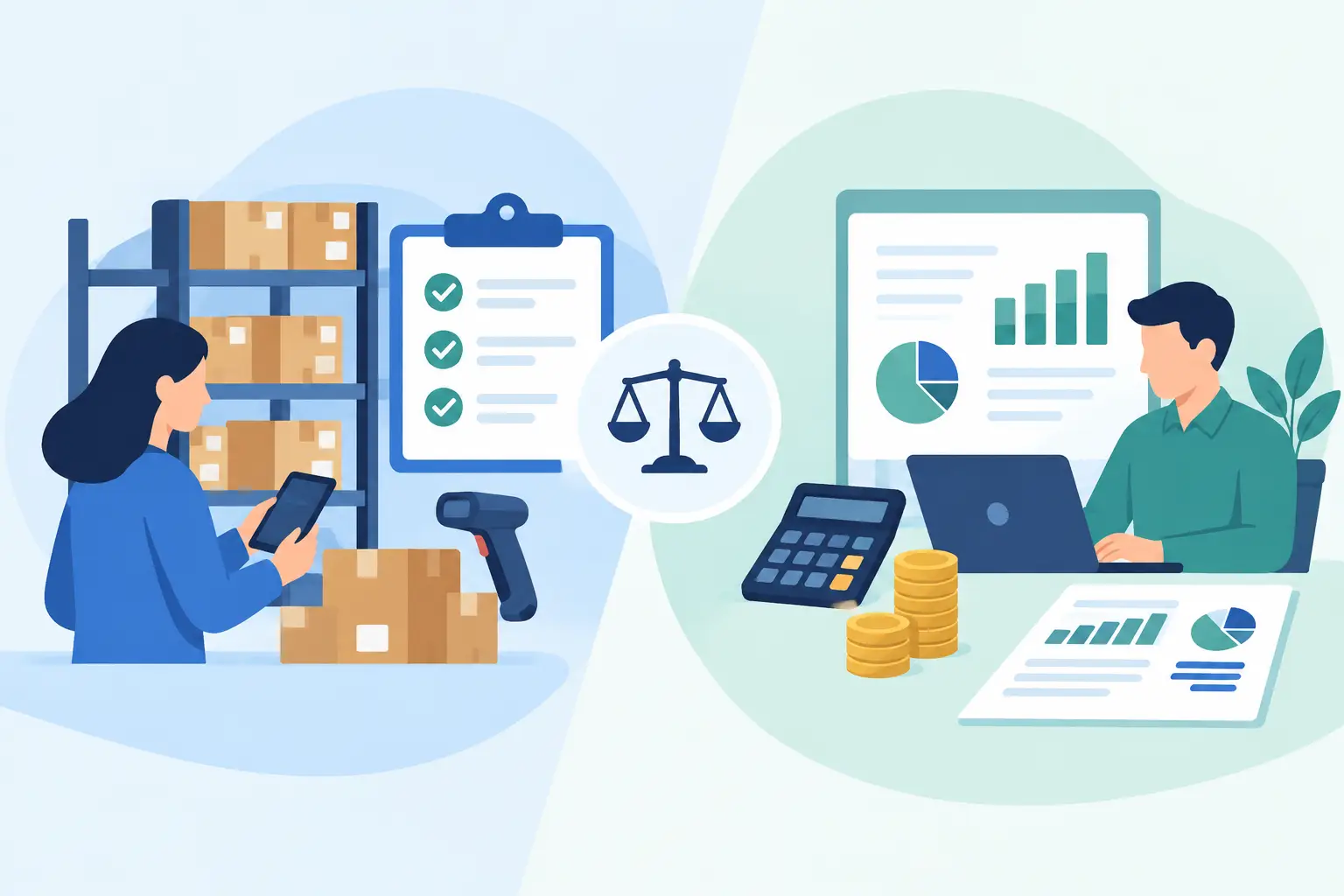
Inventory software vs accounting software: see what each system handles, where they overlap, and how small businesses can choose tools that fit their needs.
Read article →
Use this financial close checklist guide to reconcile accounts, review cash flow, track inventory, and close each month with records your team can trust.
Read article →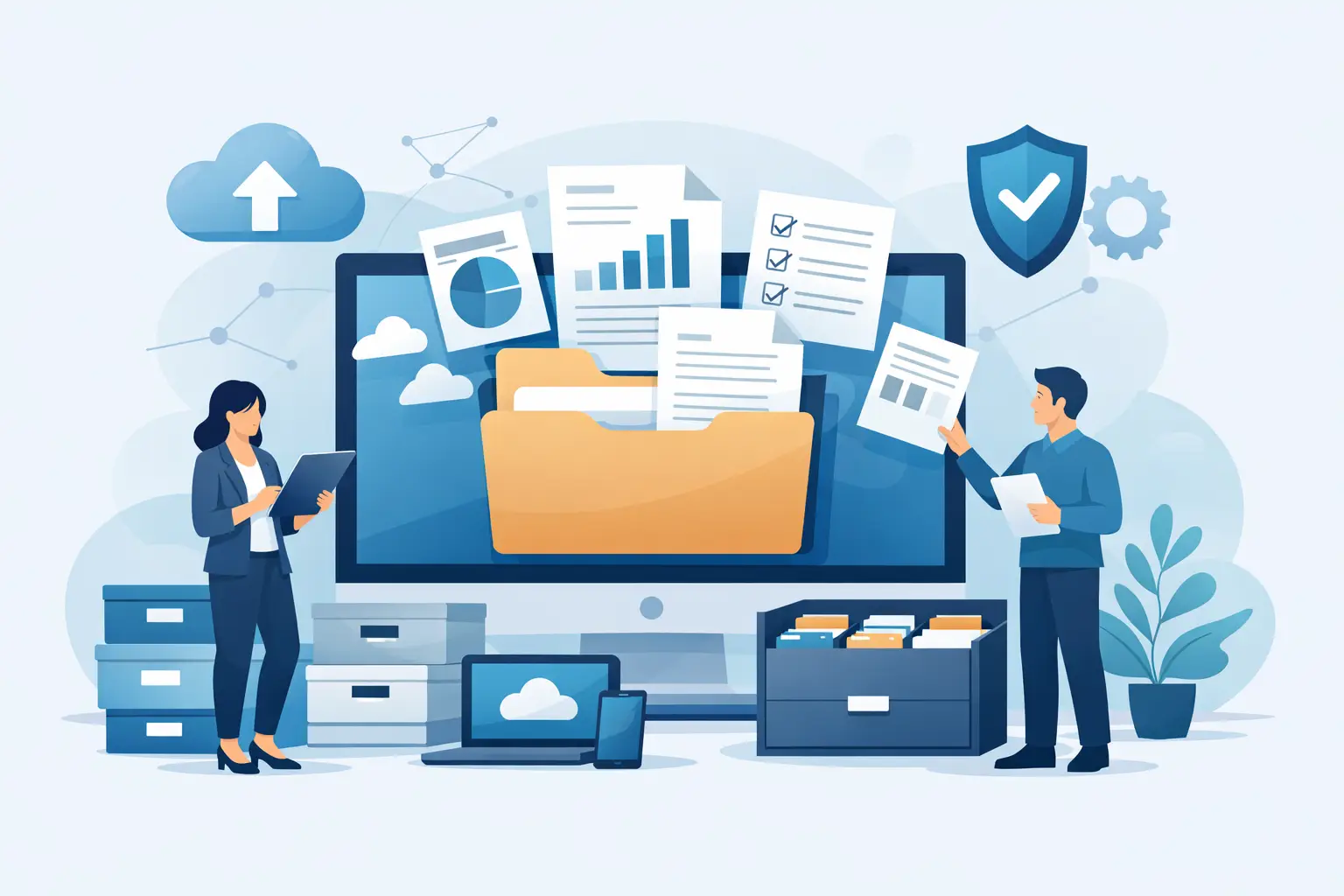
A business document storage system keeps receipts, bills, contracts, and records organized, searchable, secure, and ready for work every day.
Read article →
Expense automation vs data entry: see how small businesses can cut manual work, improve expense records, and keep cash flow decisions current every day.
Read article →
Learn how to categorize deductible business expenses, keep clean records, and give your bookkeeper tax-ready information without slowing down daily work.
Read article →
AI financial operations help small businesses turn receipts, invoices, and transactions into clear records, faster follow-up, and better cash flow control.
Read article →
Learn how purchase orders help small businesses control spending, protect cash flow, manage inventory, and keep vendor bills accurate from start to finish.
Read article →
Compare bookkeeping platforms by daily workflow, cash flow, inventory, projects, reporting, and support so your business can choose with confidence each day.
Read article →
See a clear project profitability example, learn which costs to include, and use better tracking to protect margins before a job is complete and billed.
Read article →
Project accounting gives your team a clear view of costs, invoices, cash flow, and margins, so you can make smarter decisions before work is finished.
Read article →
Learn how to create custom invoice layouts that show the right details, strengthen your brand, reduce questions, and help customers pay faster with ease.
Read article →
Learn how to record business transfers between accounts, owners, and entities while protecting cash flow, reports, and your audit trail with clear steps.
Read article →
Accounting software integration services connect the tools you use every day, reducing duplicate entry, errors, and delays in financial reporting daily.
Read article →
Use this accounts receivable guide to invoice accurately, follow up at the right time, reduce late payments, and keep your small business cash flow clear.
Read article →
Inventory adjustments explained for small businesses: learn why counts change, how to record them, and how better records protect profit and cash flow.
Read article →
Compare the best accounting apps for contractors and choose tools for estimates, invoices, job costs, receipts, cash flow, and tax-ready records daily.
Read article →
Compare the best software for billable expenses and choose tools that capture receipts, protect margins, and keep client billing accurate across every job.
Read article →
Use this small business bookkeeping guide to track cash, invoices, expenses, inventory, and project margins with clear daily routines for better decisions.
Read article →
This inventory valuation guide explains FIFO, LIFO, and weighted average cost so you can track margins, taxes, and stock value with confidence every month.
Read article →
Compare the best receipt scanning apps for small businesses, with practical guidance on OCR accuracy, expense workflows, approvals, and accounting fit.
Read article →
Accounts payable aging shows which bills are due now, what can wait, and where cash flow risks build, helping your business avoid late fees and surprises.
Read article →
Tracking bill payment status gives your team a clear view of cash commitments, overdue invoices, approvals, and vendor records before issues grow daily.
Read article →
Learn how to set up recurring customer invoices with clear schedules, payment terms, review steps, and controls that protect your cash flow each month.
Read article →
Read this cloud accounting software review to compare features, pricing, support, and daily workflows before choosing a system for your growing business.
Read article →
Learn how custom fields in accounting software help organize invoices, expenses, inventory, and projects so your team can report with confidence every day.
Read article →
What is cloud accounting? Learn how online accounting software helps small businesses manage invoices, expenses, bills, cash flow, and teams from anywhere.
Read article →
Cash flow management helps you plan payments, collect invoices, control spending, and make decisions with a view of money moving through your business.
Read article →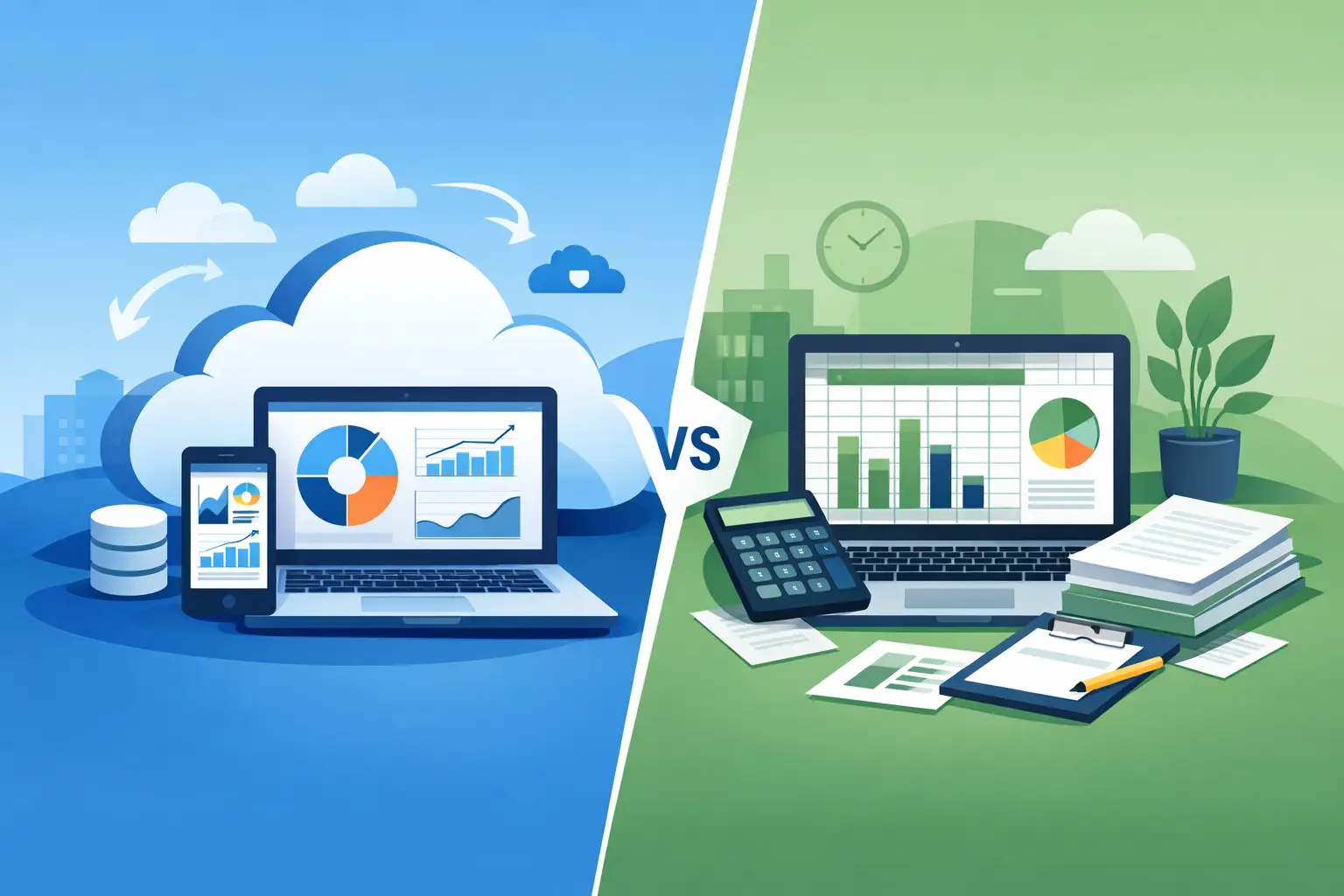
Cloud accounting vs spreadsheets: compare cash flow, invoicing, expense tracking, and team access to choose the right system for your growing business.
Read article →
Project margin tracking shows what each job earns as costs arrive, so your team can price confidently, protect profit, and act before a project slips.
Read article →
Learn how to manage multi currency invoices with clear exchange rates, accurate records, and practical billing workflows for growing US businesses each day.
Read article →
Compare invoicing software vs manual billing to reduce errors, speed up payments, protect cash flow, and choose a process that fits your business well.
Read article →
Improve inventory management with clear stock records, timely reordering, and cost visibility to protect cash, prevent stockouts, and fill orders on time.
Read article →
Billing software helps small businesses send invoices, track payments, manage expenses, and keep cash flow clear without adding accounting complexity.
Read article →
Find the best invoice software for your business with practical criteria for payments, customization, inventory, projects, reporting, and support needs.
Read article →
Learn how to automate receipt expenses with capture rules, approvals, and cloud records that keep your books current and your team moving forward daily.
Read article →
Private cloud accounting software gives growing businesses control, access, and support without the complexity of a traditional enterprise system setup.
Read article →
Choose accounting software for service businesses that keeps invoices, expenses, project costs, and cash flow organized without extra daily complexity.
Read article →
Choose multi user accounting software for teams that keeps invoicing, expenses, inventory, and approvals organized without slowing down your staff daily.
Read article →
Learn how to manage vendor bills with a clear approval process, accurate records, and payment timing that protects your small business monthly cash flow.
Read article →
Learn how to track unpaid invoices with a simple routine that improves cash flow, speeds follow-up, and gives your team a clear view of every balances.
Read article →
Custom branded invoice layouts help your firm look professional, reduce payment questions, and keep customer documents clear and consistent across teams.
Read article →
AI receipt scanning for expenses turns paper and phone photos into records, helping small businesses review spending, protect cash flow, and close faster.
Read article →
Learn how to manage small business cash flow with practical steps for invoicing, bills, inventory, projects, and building a reliable monthly cash reserve.
Read article →
Expense management software helps small businesses capture receipts, control spending, approve costs, and keep cash flow records ready for monthly review.
Read article →
Inventory tracking software helps small businesses control stock, record costs, reduce manual work, and make better purchasing decisions more confidently.
Read article →
Multi currency invoicing helps growing businesses bill international customers clearly, track exchange-rate effects, and protect cash flow with less rework
Read article →
Cloud accounting software helps small businesses invoice faster, track expenses, manage inventory, and see cash flow clearly from wherever work happens.
Read article →
Small business accounting is easier when invoices, expenses, inventory, projects, and reports are organized for clear daily control across the business.
Read article →
Financial reports turn invoices, expenses, inventory, and project activity into clear numbers so small businesses can make faster decisions every week.
Read article →
Choose accounting software that keeps invoices, expenses, inventory, projects, and cash flow organized without adding complexity to your team each day.
Read article →